



Birds of the Bay
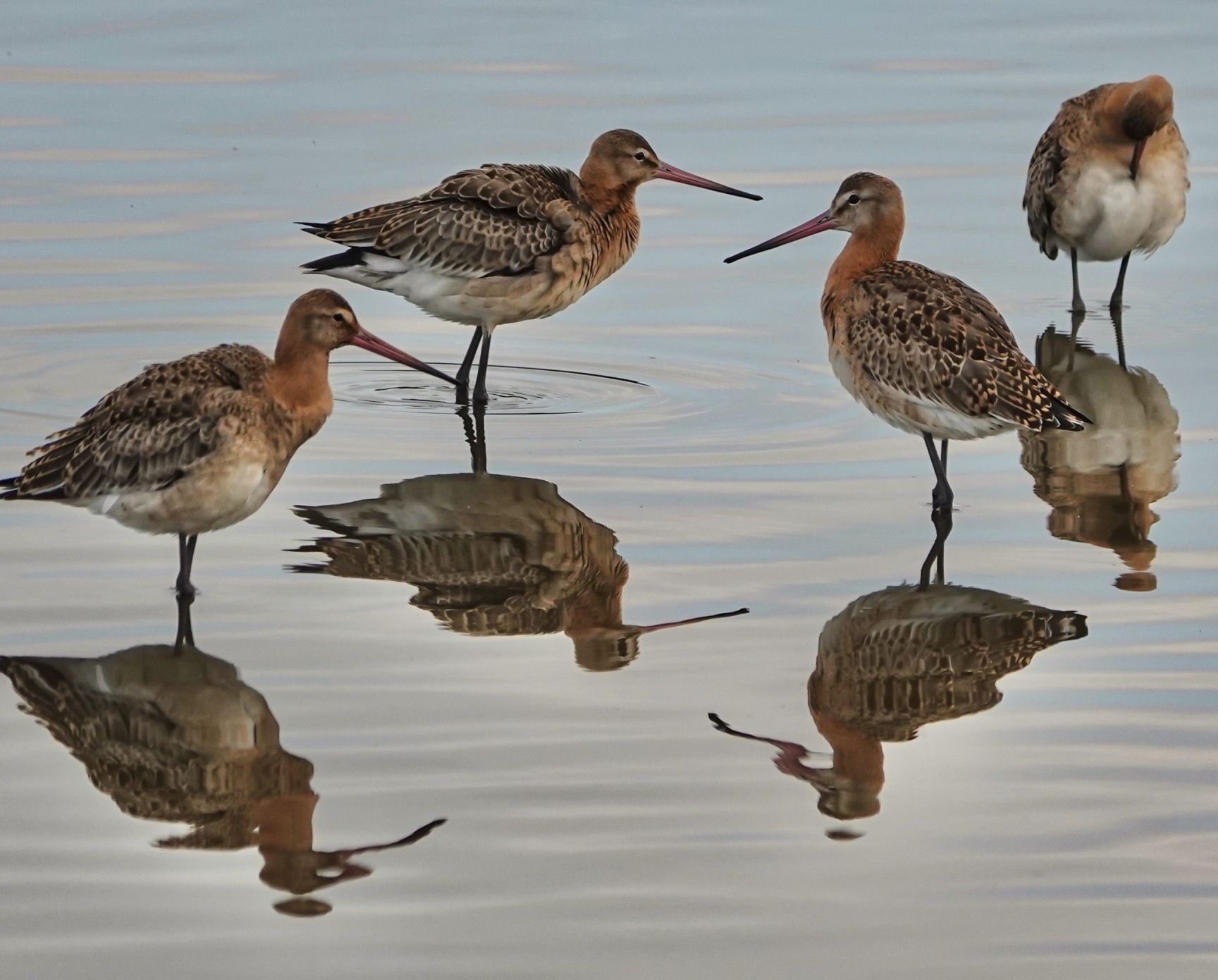
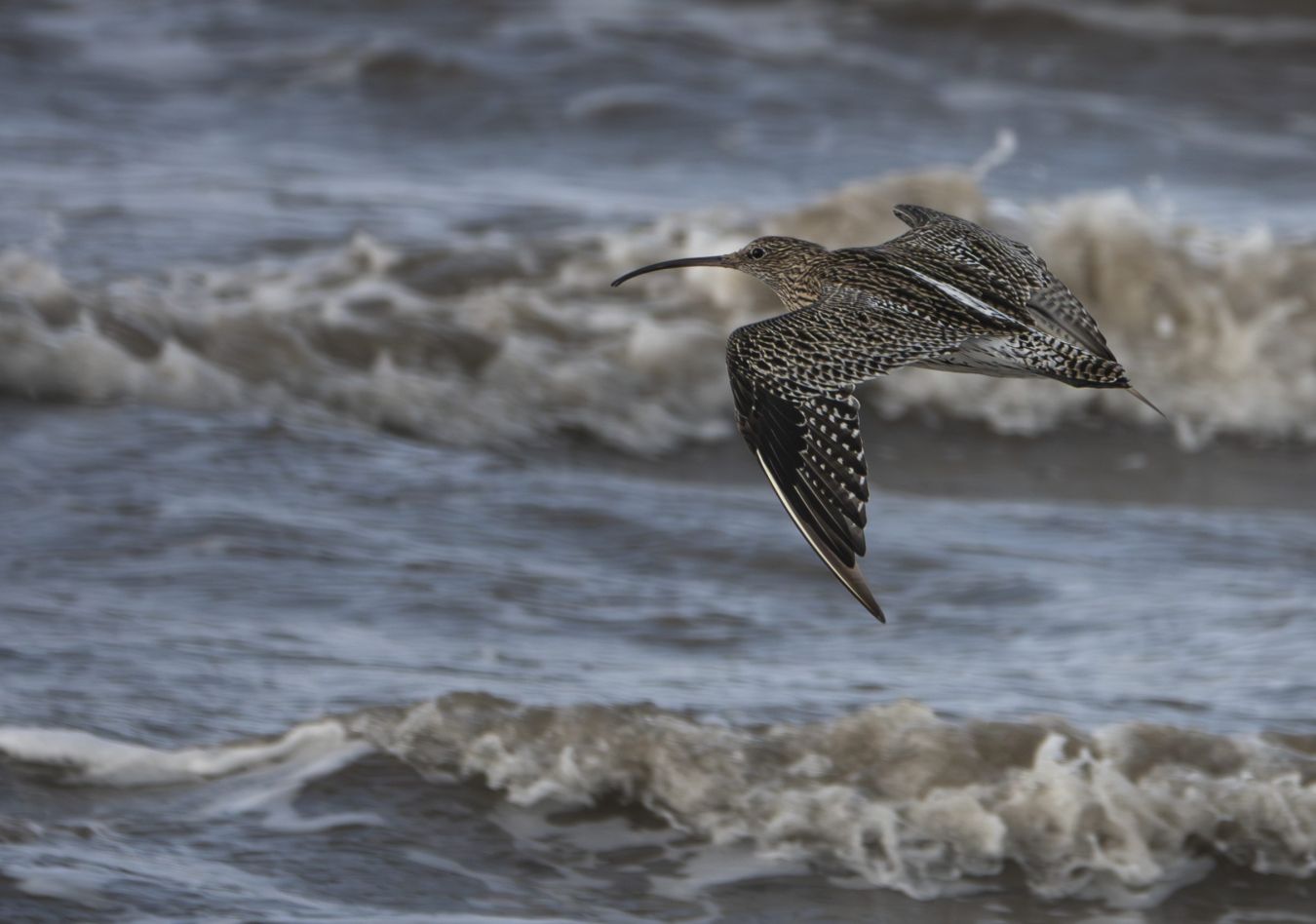
The Bay is internationally important for its birdlife. More than 250,000 birds live, breed or feed around Morecambe Bay including endangered species such as Curlew (pictured) and Lapwing.
Boasting the largest ‘intertidal’ area in the UK – this is the area that gets uncovered when the tide goes out, and covered up when the tide comes in – the Bay provides a vast habitat for birds to feed, rest and gather.
Butterflies and Moths
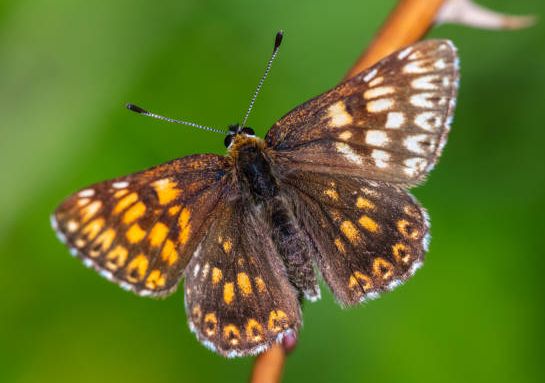
The limestone areas of Morecambe Bay are an important site for butterflies and moths in the north of England. The Bay is a stronghold for the declining High Brown Fritillary and Pearl-bordered Fritillary butterflies.
The health of the Bay’s butterfly and moth populations is underpinned by plants which sustain feeding caterpillars.
Hazel Dormice
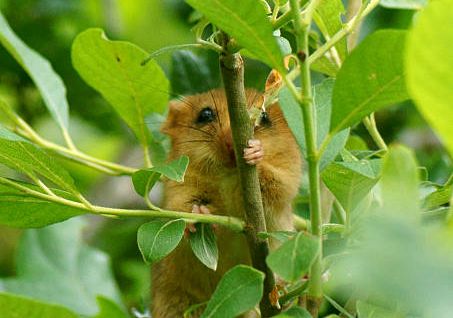
Morecambe Bay is now an important home to the rare Hazel Dormouse following a successful reintroduction project in 2022.
Once commonplace in the UK, this small mammal has become a critically endangered species. The woodlands of Morecambe Bay were chosen as a suitable, safe habitat providing the right kinds of food and shelter for a new population of Hazel Dormouse.
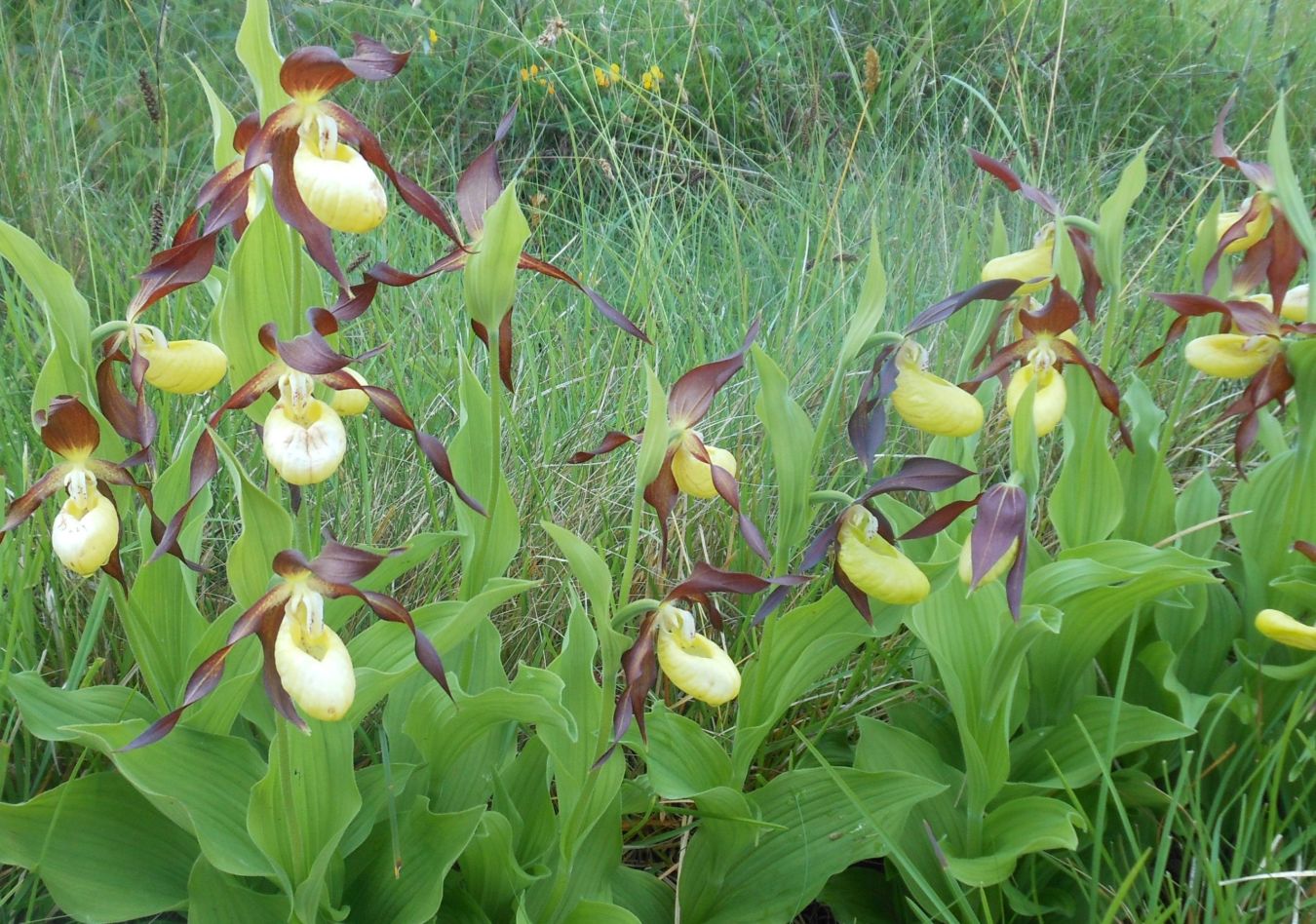
Orchids
The habitats around Morecambe Bay support a diverse range of orchids across grassland, limestone and woodland sites.
Of 52 orchid species found across the UK, Morecambe Bay supports one third including the rare Lady’s Slipper Orchid.
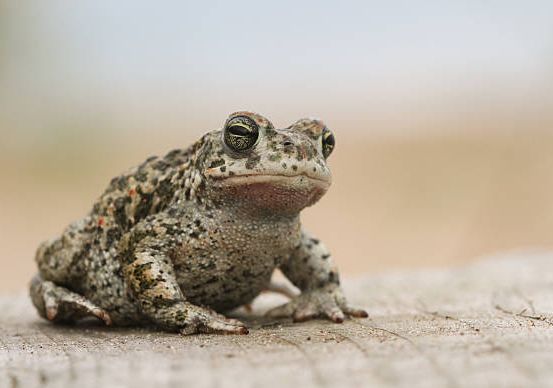
Natterjack Toads
The sand dunes of northern Morecambe Bay are home to one quarter of the entire UK population of Natterjack Toads. These rare and noisy amphibians live in the dunes and pools of Sandscale Hawes Nature Reserve and can be heard making their loud mating croaks during April to May.
The sand dunes at Sandscale are just one of several special habitats that Morecambe Bay provides for wildlife and biodiversity.
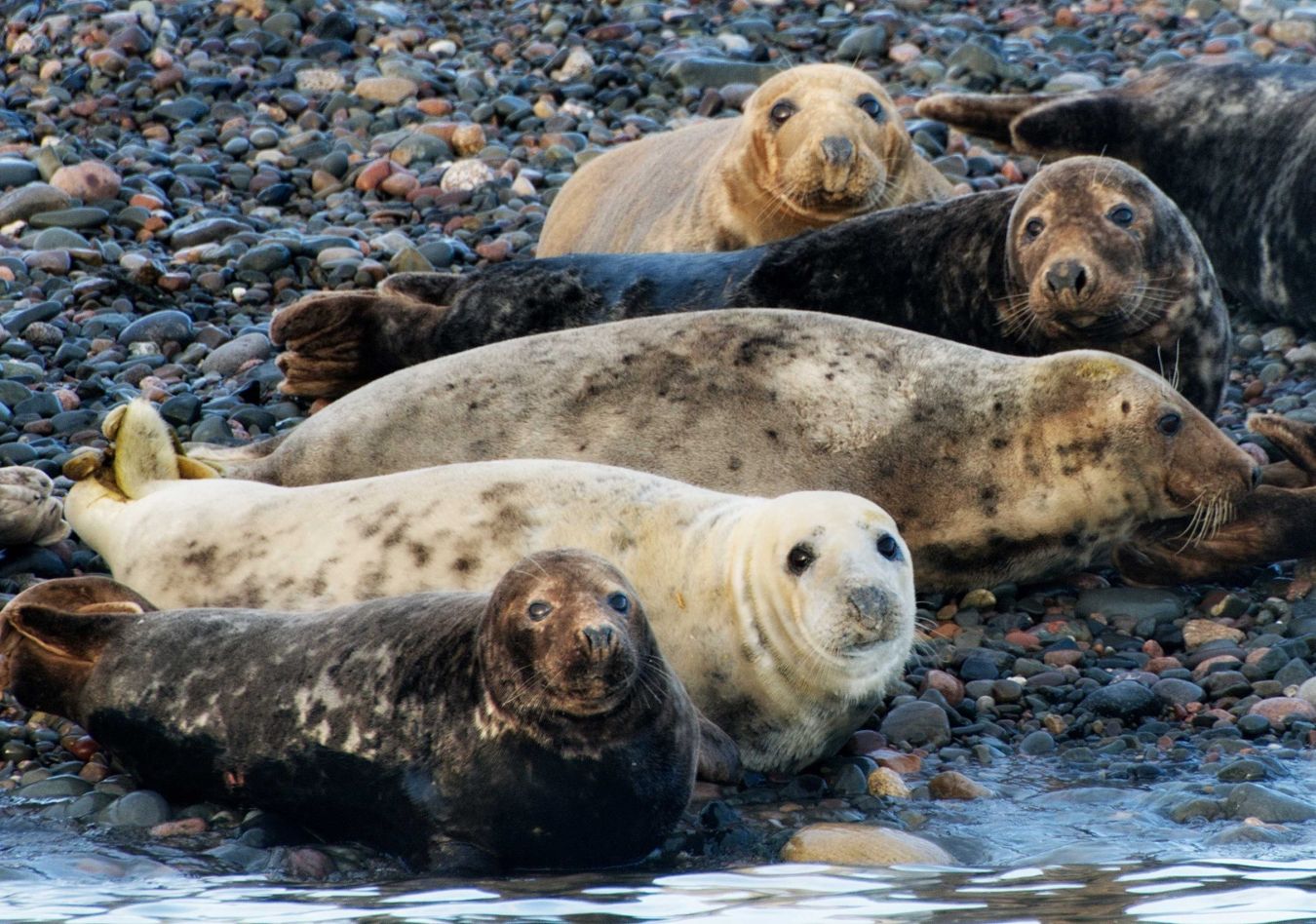
Atlantic Grey Seals
Did you know Morecambe Bay is home to a colony of grey seals?
Over 550 grey seals reside at South Walney Nature Reserve, near Barrow-in-Furness. This protected spot gives the seals a place to ‘haul out’ – this means the seals exit the sea onto a shingle beach where they can rest, digest food, moult and breed in safety.
The Heritage of the Bay
Lorem ipsum dolor sit amet consectetur. Elementum nisl duis tortor sed. Suspendisse lobortis vitae quis vehicula pellentesque sit id. Urna posuere consequat velit vulputate faucibus pretium arcu accumsan sit. Vel venenatis sapien.
HeritageRead more stories
Lorem ipsum dolor sit amet consectetur. Elementum nisl duis tortor sed. Suspendisse lobortis vitae quis vehicula pellentesque sit id. Urna posuere consequat velit vulputate faucibus pretium arcu accumsan sit. Vel venenatis sapien.
Stories, blogs and updates